
#CalleyMeans #JoeRogan #MAHA #FoodFreedom #MoneyInPolitics
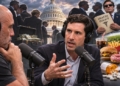
When someone walks away from one of the most influential health jobs in Washington and then goes on the biggest podcast in the world to explain why, I pay attention. Most insiders leave quietly, collect a lobbying contract, and never say a word. Calley Means did the opposite.
Means, co-author of Good Energy with his sister Dr. Casey Means, helped bring Robert F. Kennedy Jr. and President Trump together and later led MAHA (Make America Healthy Again) implementation as a senior adviser. In this episode of The Joe Rogan Experience, he says the early days felt electric. Then he lays out, story by story, how he watched that promise get diluted.
His central claim is that a small circle around White House Chief of Staff Susie Wiles controlled nearly every policy decision, and that the political team treated midterm fundraising as more important than what voters had asked for. He names names, points to lobbying firms whose revenue soared, and describes specific fights over glyphosate, school lunches, flavored vapes, kratom, an mRNA flu vaccine, and a definition of ultra-processed food that he says was delayed until he finally resigned.
What makes this conversation worth your time isn’t the political drama. It’s the bigger point Means keeps coming back to. He insists this is not a Trump problem or a Democrat problem. It’s a structural one, built on a system where senators spend most of their time fundraising, staffers move straight into lobbying jobs, and industries with the deepest pockets set the agenda. His answer is simple, bipartisan reform of money in politics, driven by a president who runs on it and shames Congress into acting.
Keep in mind that this is one man’s account. The people he criticizes don’t get to respond here, and several of his claims are his own interpretation of events. Still, whether you agree with his politics or not, it’s a rare and sobering look at how decisions about the food on our plates and the chemicals in our environment actually get made.
Key Takeaways
- Means resigned because he believes a small group blocked what voters wanted. He says a concentrated group inside the administration was working against the MAHA mandate, in some cases, he alleges, to benefit their own families.
- He describes the most centralized White House in modern history. According to Means, no policy moved without the chief of staff’s office signing off, and cabinet secretaries spent much of their energy trying to win her favor.
- Lobbying ties run through the top of the political team. Means points to the backgrounds of key advisers and pollster Tony Fabrizio, whose client list he says includes Pepsi, Pfizer, tobacco, and chemical companies, even as Fabrizio advised on the policies those companies opposed.
- Family lobbying firms allegedly saw revenue explode. He claims firms employing the children of senior officials went from almost nothing to tens of millions a year, and that Ballard Partners became the top-earning lobbying firm in history.
- The midterms became the policy strategy. Means says popular health reforms were shelved because they might upset donors, and he quotes Wiles as telling him, “I need the sugar industry money.” He argues that this strategy failed badly at the ballot box.
- The glyphosate fight is his clearest case study. Getting the single word “glyphosate” into the MAHA report was, he says, the toughest policy battle he had ever seen. He notes the EPA hasn’t completed a fresh review in decades and alleges industry influence on the last one.
- An executive order framed the herbicide as national security. Means says he was handed the order the day before release and told Kennedy was not to push back. He argues no military leader saw glyphosate on farms as a defense issue.
- The fight was about lawsuits, not a ban. He stresses that MAHA wasn’t trying to outlaw glyphosate overnight. The issue was whether people who believe it gave them cancer could still sue, which he sees as basic free-market accountability.
- Trump was reportedly unaware of the administration’s role. Means says the president, when told about the Supreme Court decision on liability protection, called it a terrible idea and didn’t know his own Justice Department had urged the court to take the case.
- Flavored vapes were a top White House health priority. Means calls this the most pushed health issue he saw from the political team, despite surveys suggesting flavors drive teen vaping. He says FDA Commissioner Marty Makary resisted and was later fired.
- Kratom limits were loosened after heavy lobbying. He describes kratom-derived products as an opioid sold in gas stations and says a strict limit on the active compound was later raised about twentyfold.
- He questions how an mRNA flu vaccine was approved. Means alleges the trial compared it to an outdated vaccine, showed little benefit, and was pushed through after the FDA had initially sent it back for more study.
- Food policy wins came from public pressure, not persuasion. Removing soda from SNAP in many states, revising dietary guidelines, and pulling food dyes happened, he says, because officials feared bad press. “Shame works,” he tells Rogan.
- The numbers on children’s health are alarming. Means cites figures such as 38% of teens with prediabetes and about 70% of a child’s diet coming from ultra-processed food, compared to roughly 10% in Spain.
- Pharmaceutical Industry Influence Over FDA Decisions, Vaccine Approvals, and Safety Requirements.
-
- Corporate influence over FDA decisions: Means provides evidence that pharmaceutical manufacturers exercise substantial influence through lobbying, relationships with political appointees, and contacts with agency personnel.
- The Moderna mRNA influenza vaccine dispute: Means describes concerns about the design of a clinical trial, the comparator used, reported effectiveness, and adverse events. He says FDA officials initially sought additional evidence before allowing the product to proceed.
- Questions surrounding Pfizer’s COVID-19 vaccine: Means also describes what he says was an agreement requiring additional studies as a condition of continued authorization, followed by a later decision to remove that requirement.
- The final straw was a one-page food definition. He spent six months building broad agreement, including from groups that often oppose the administration, on a non-regulatory definition of ultra-processed food. He says it kept getting delayed after industry lobbyists called the White House.
- Reform has to be structural and bipartisan. Means believes Congress will never reform itself. He calls for a simple constitutional amendment on money in politics, pushed by a president who makes it a central promise, or through a convention of the states.
- He still sees reason for hope. Means praises Kennedy’s integrity, believes Trump can still change course by changing staff, and argues that telling the truth publicly is the most powerful tool ordinary people have.
Source: PowerfulJRE